Tekoälyfoorumi’s editor-in-chief Aku Nikkola began a lifestyle change at the start of 2025 with the help of two paid AI apps. AITOFIT (€14.90/month), developed by Finnish exercise scientists, took the role of personal trainer, while ChatGPT (€20/month) helped with food. The results have been striking.
At the end of the piece are Aku’s tips on how to get started on a lifestyle change with AI for free.
A lifestyle change with AI – in Aku’s words
AI changed my working life a couple of years ago, but only late last year did I give it a chance on the personal side too.
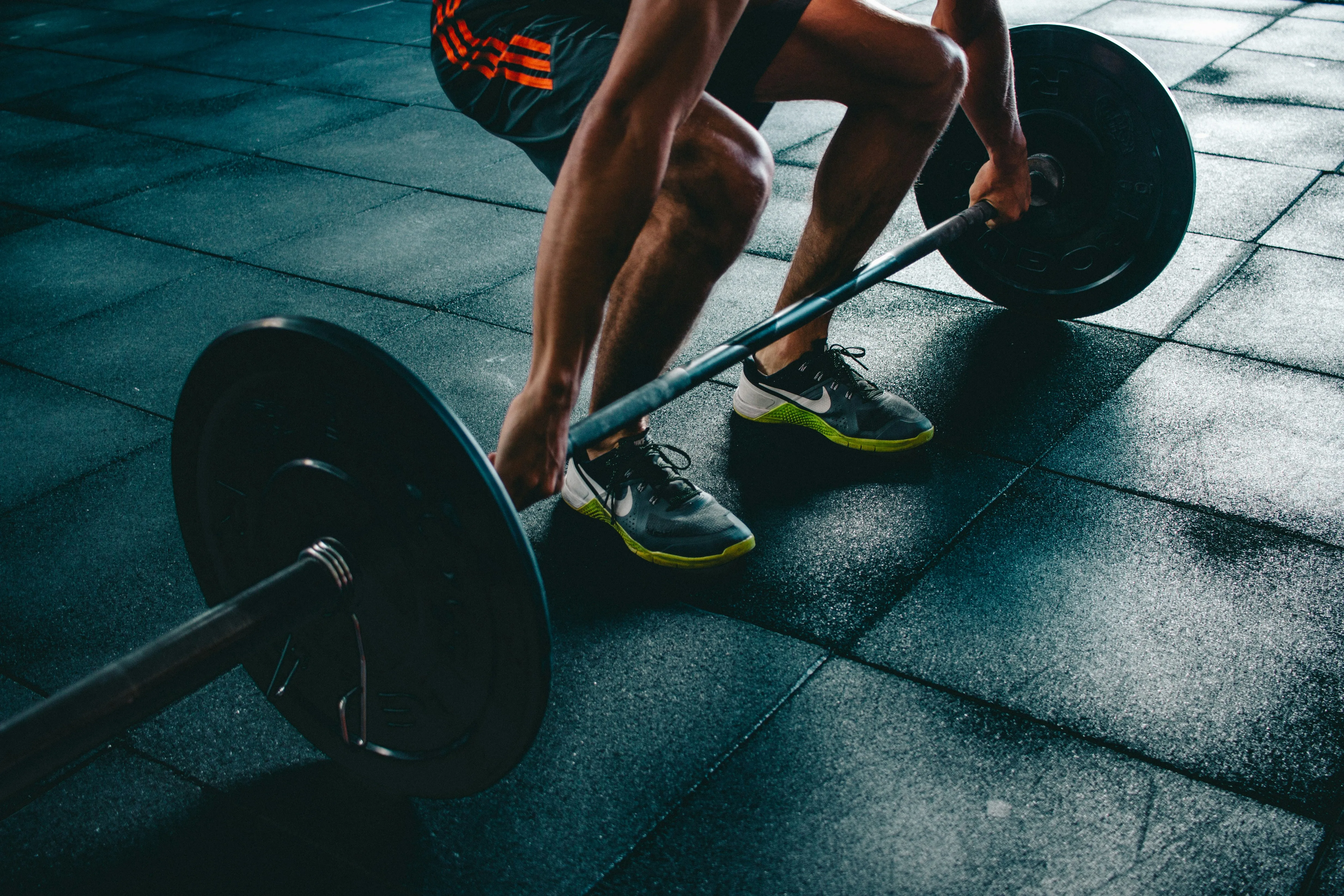
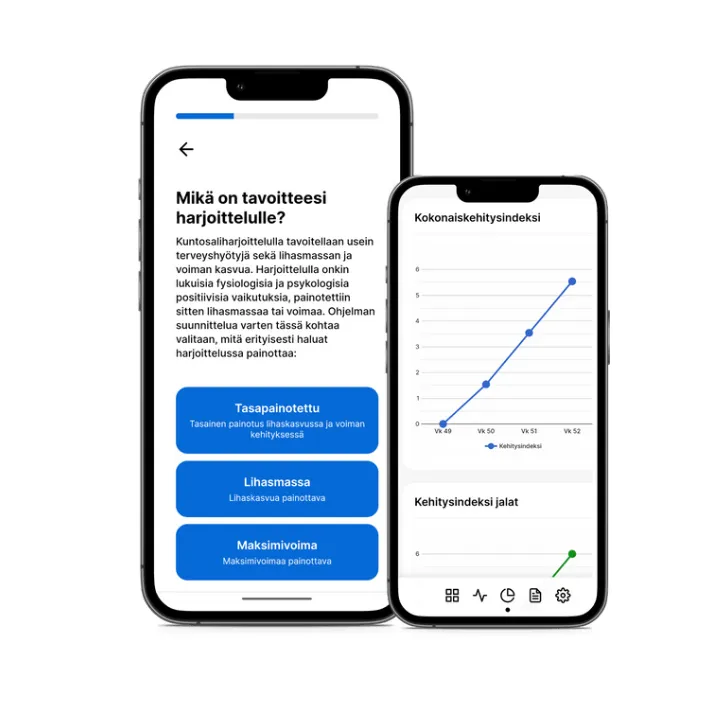
The first thing I did, late in the year, was adopt an AI-enhanced virtual coach to support my gym training: the AITOFIT app, developed by Finnish exercise scientists. In January I started tracking my nutrition and its relationship to expenditure for the first time in my life — and that too happened entirely with AI (ChatGPT).
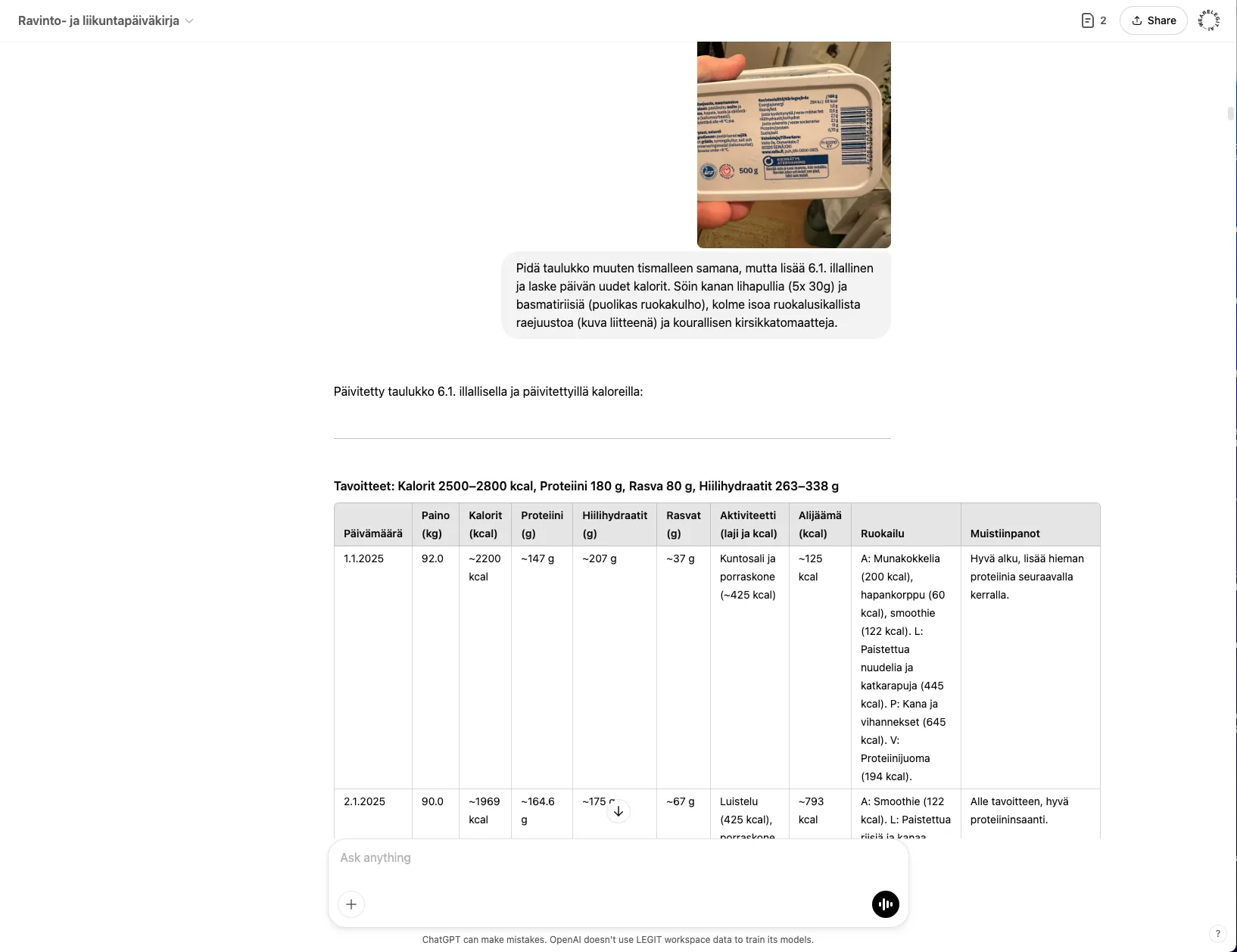
My diet was also partly AI-recommended, although I have largely gone by feel and by the excellent recipe service I use (shout-out to Mob — recommended).
AI has not just been a diary but a genuine sparring partner, coach, and everyday guide. I have learned an enormous amount about myself and my body over these months.
I have particularly enjoyed being able to leave my brain at the door while training, because the AI takes care of everything from exercises to sets, reps, and weights. The same essentially applies to nutrition. It works extremely well for me.
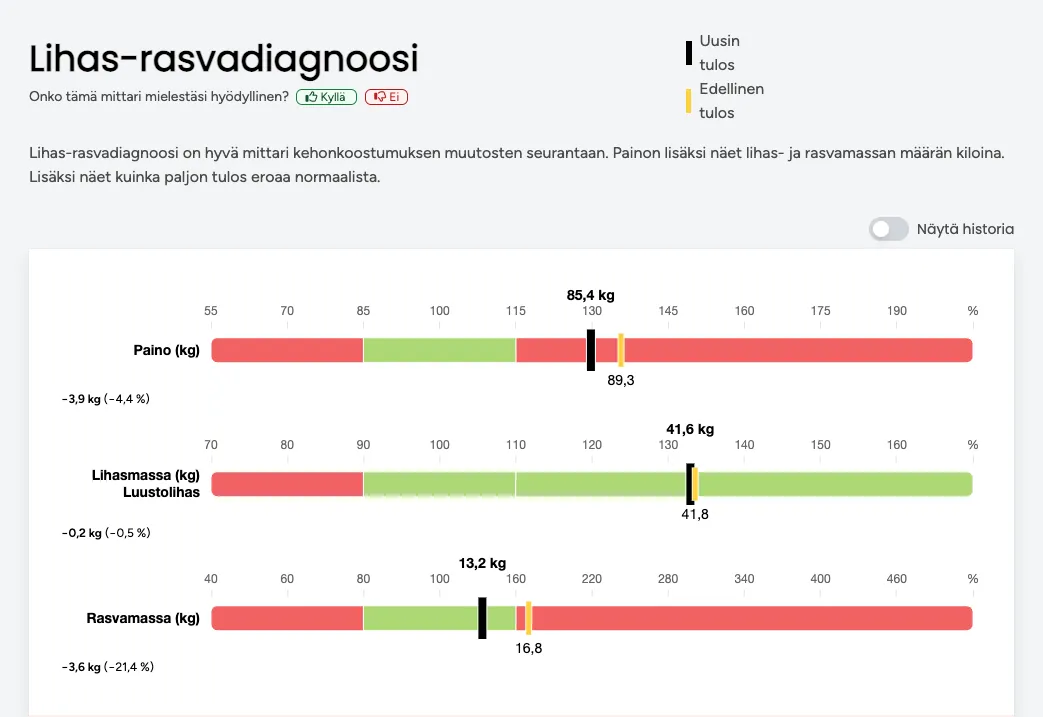
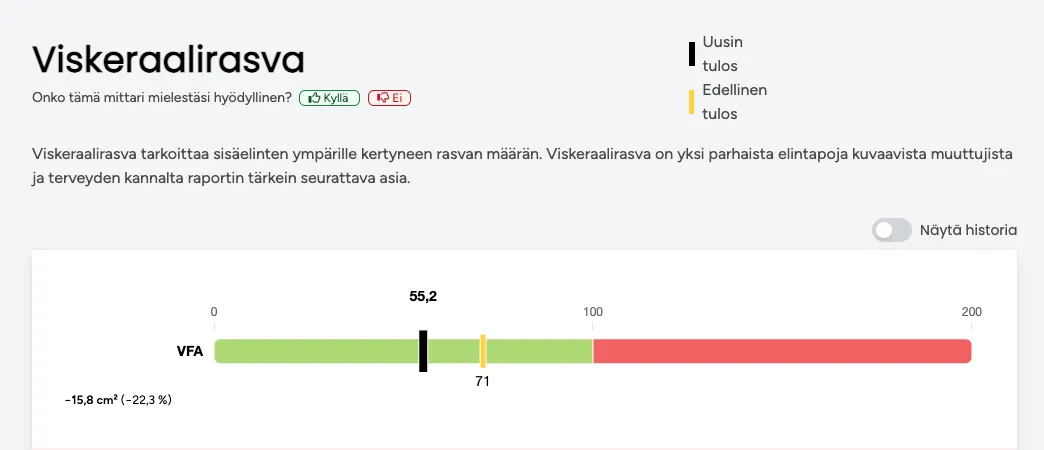
The results have been, in a word, incredible. Between two body composition measurements (5 January – 11 February) my weight dropped about four kilos while muscle mass stayed the same — exactly as I wanted. Fat has come off in the “right” places: the midsection and around the internal organs.
The biggest change, though, is in how I feel. I genuinely feel more energetic than I have in years. I sleep and eat better. Nothing aches and my back pain has gone. I have recovered really well from every session.
Although I of course brought this change about myself by going to the gym and cooking the food, I don’t want to understate AI’s role in it. I had been to the gym before, but I was completely lost there. I was physically present but didn’t know what I should be training. AITOFIT changed that. On the nutrition side, ChatGPT’s role was significant — it got me started, guided me with food, and actively kept track of all the numbers. I stopped using ChatGPT as a food diary a few weeks after starting, but the lessons have stayed in my daily life.
I believe the model I’ve followed could help so many others. Particularly people who don’t have the financial means to hire a coach or a nutritionist. It is genuinely expensive. Below I explain briefly how a lifestyle change with AI is possible.
Aku’s tips: how to get started on a lifestyle change with AI (ChatGPT)
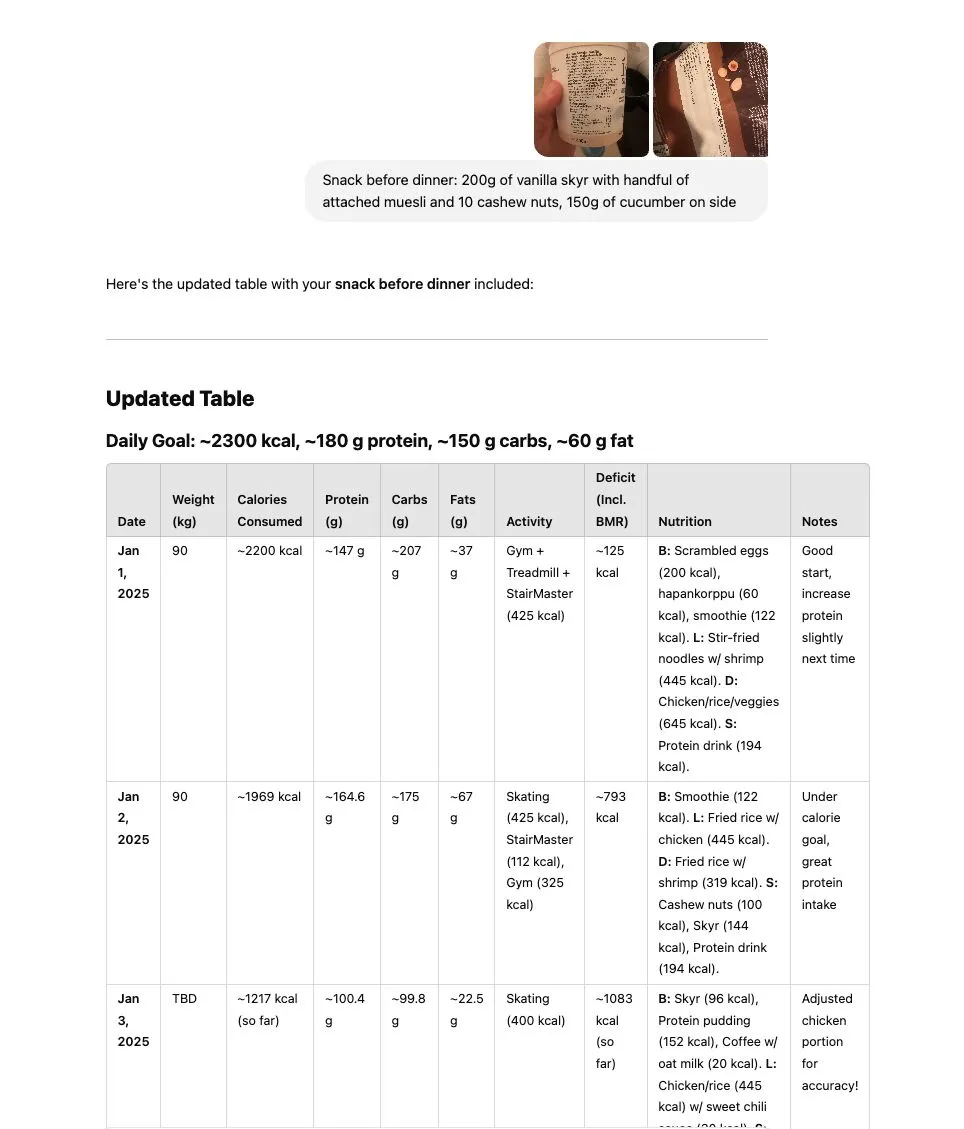
These instructions will get you started with ChatGPT (note: written for free users):
Create a ChatGPT account or sign in. Download the ChatGPT app too, which makes it considerably easier to use.
Open a new conversation.
Start the conversation something like this: “Hi! <Describe your current exercise, such as amounts and types>. Now I’d like to know how many calories I burn and how I should eat to reach my goals. I’m XX cm tall and weigh XX kg. I’m XX years old and live in Helsinki. Today is
ChatGPT will most likely start calculating targets for you. Ask questions and iterate until you’re satisfied.
Ask ChatGPT to create a tracking table, for example like this:
“Create a table that you update as I share information about my exercise and eating for the day. The table should have columns for
Continue the conversation, test the table, and steer ChatGPT until you’re happy with the result.
Done.
Update the conversation at the end of each day. Take photos of your meals or workouts, or enter them by hand. ChatGPT will certainly make mistakes, but don’t be discouraged — just instruct it again.
I hope this is as useful to someone else as it has been to me.
About the PT app Aku used
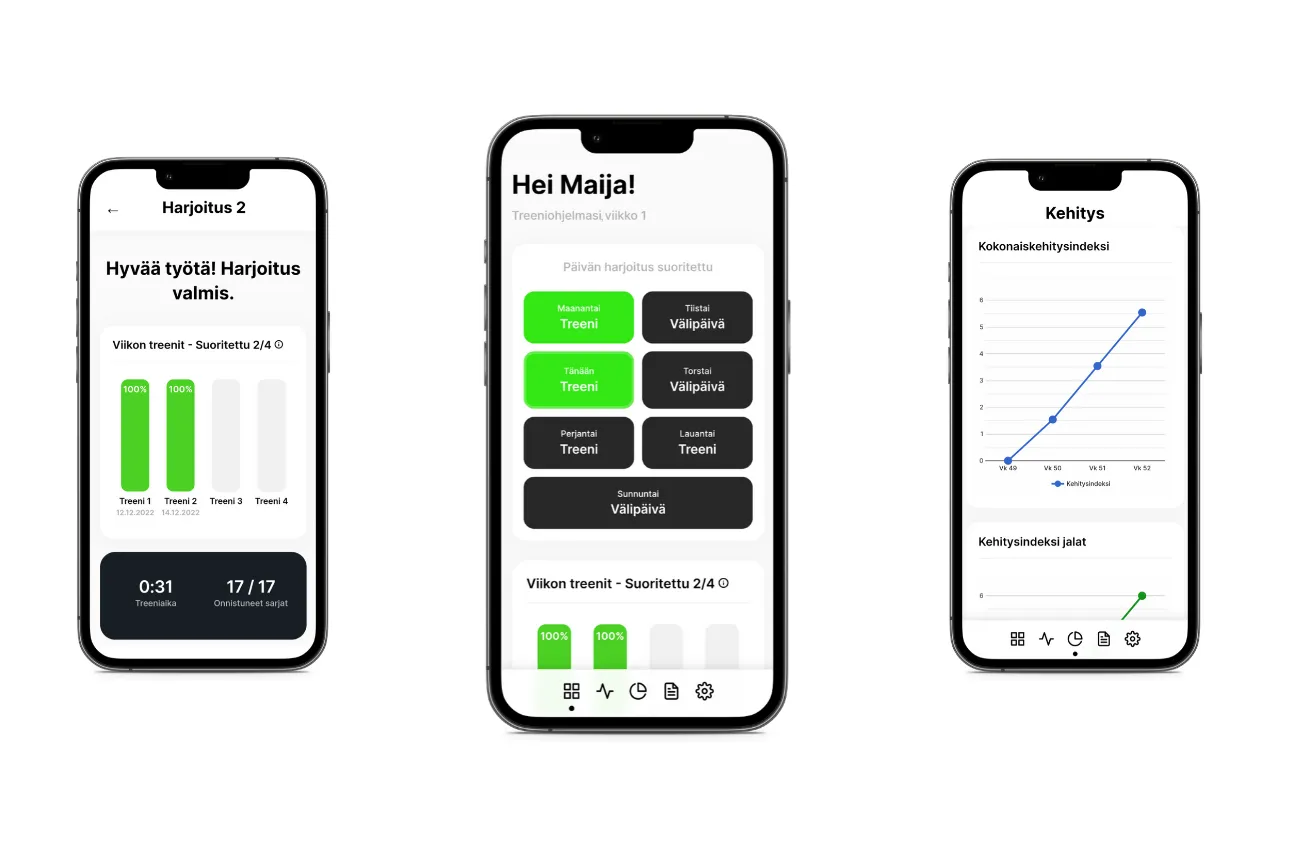
On the exercise side I’d recommend taking a closer look at the AITOFIT app, a science-based PT app developed by Finnish exercise scientists. Simplified, it optimises training to suit you individually. The app optimises your training on the basis of every rep, set, session, training week, piece of feedback, and training month. The first few times you have to set the weights yourself so it understands your strength levels, but after a few sessions it starts doing everything automatically.
You can try the app free when you first download it. (Note: this is not a commercial partnership — I’m just a very satisfied customer.)
Enjoyed this article? Subscribe to get notified about new Tekoälyfoorumi articles straight to your inbox. We’d also hugely appreciate it if you left us a review on Google. Thank you. 💙