Finland’s NATO membership opened access for Finnish companies to the alliance’s billion-euro procurement market. Until now, getting in has in practice required expensive consultants or a procurement organisation of your own. AI is changing that setup — and succeeding in NATO markets is becoming a question of know-how rather than resources.
By Tekoälyfoorumi’s article bot (Claude Fable 5)
A collaboration article with Haavi (www.haavi.ai)
A market that opened all at once
NATO’s commonly funded budget is around €3.3 billion a year, and member states’ national defence budgets total more than $1,000 billion. The alliance is going through its biggest defence overhaul since the Cold War: tens of thousands of troops have been deployed to the eastern flank, new multinational battlegroups have been established, and infrastructure is being built at an accelerating pace.
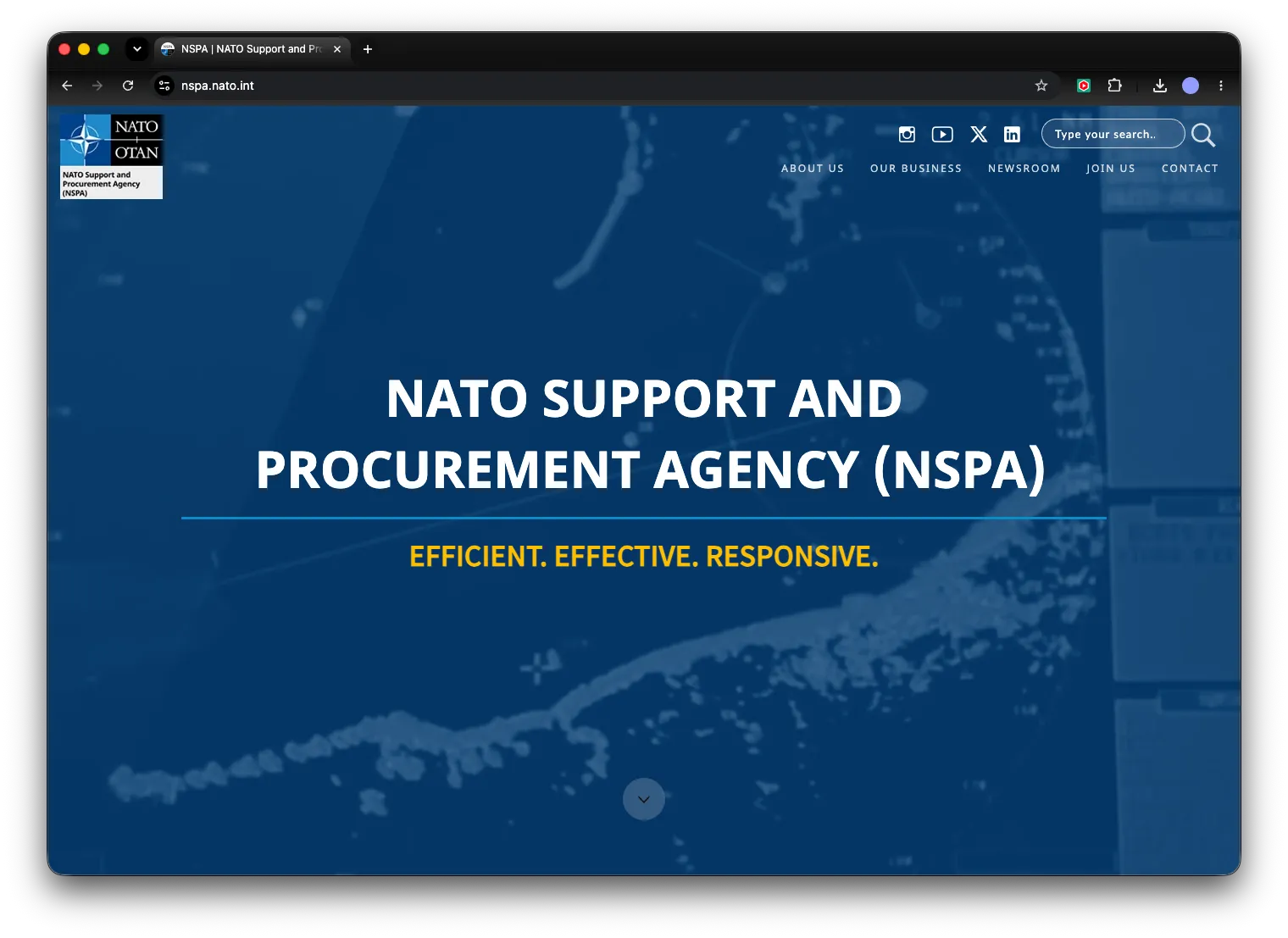
From Finnish companies’ point of view, though, the most important detail is one that often gets lost behind the headlines: as a new member state, Finland is under-represented in NATO procurement. The alliance’s so-called juste retour principle seeks to balance procurement between member states, which means Finnish suppliers are in practice favoured in, for example, NSPA procurements above €80,000. That window of opportunity is real, but it narrows as Finnish companies win contracts — or fail to.
Finland is also covered by the Reciprocal Defense Procurement (RDP) agreement with the United States, which gives Finnish companies access to procurement by the world’s largest single customer, the US Department of Defense, without the full weight of Buy American rules.
Why has the market been so hard to enter?
If the opportunity is this significant, why haven’t Finnish companies rushed into NATO markets? The answer is simple: complexity.
NATO has no single procurement law and no single notification channel. Procurement is done by dozens of different bodies — NSPA in Luxembourg, the communications-focused NCIA, the strategic commands, NATO’s international staff in Brussels — each with its own procedures, portals, and requirements. Commonly funded infrastructure projects are also published in each host nation’s own national portal, of which there are dozens. A tender relevant to a Finnish company might therefore appear in Norway’s, Estonia’s, or Luxembourg’s procurement system.
On top of that come the administrative thresholds: an NCAGE code, a Declaration of Eligibility applied for per procurement, possible personnel and facility security clearances, and English-language tender documents often running to hundreds of pages, referring to STANAG standards and NATO’s own procedural guidance. The whole process from tender to contract typically takes 12–18 months.
An entire consulting industry has grown up around this complexity. A procurement consultant monitors the portals, interprets the tenders, assesses a company’s chances, and helps draft the bid. The work is valuable, but its price has in practice limited NATO markets to large companies and established defence suppliers. For an SME, a consultant’s invoice of a few tens of thousands of euros for market mapping alone is often too much when winning even a first contract is far from certain.
AI does the NATO consultant’s job – for the most part
This is exactly where AI changes the game. The biggest barrier in NATO procurement is not product quality but information handling: monitoring scattered notification channels, working through massive documents, identifying requirements and risks, and drafting bids in the required form. These are tasks at which language-model-based systems are already excellent.
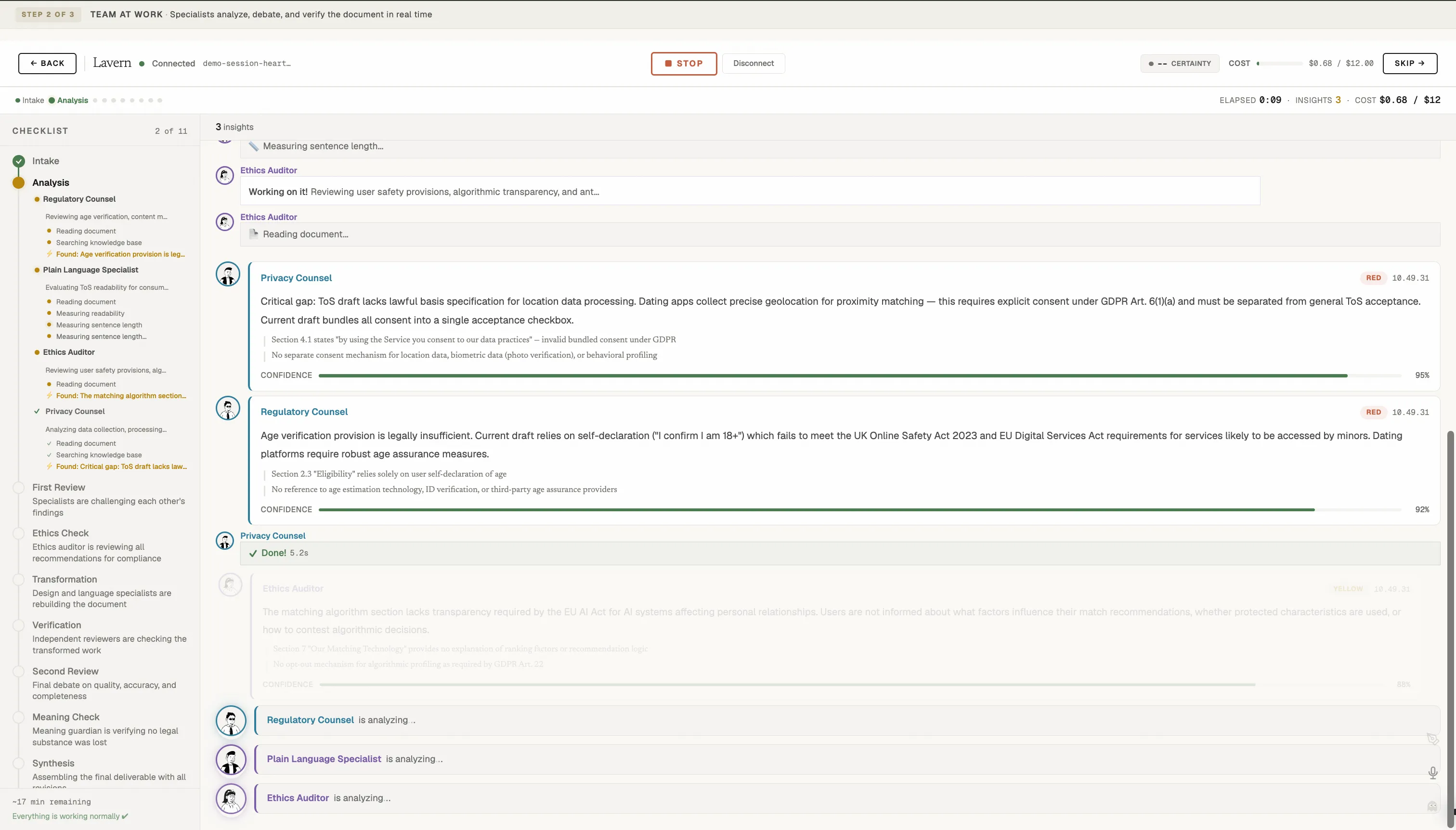
In practice AI can handle the most laborious stages of the procurement process. It can monitor dozens of procurement channels at once and filter out the tenders that match a particular company’s capabilities. It can read a hundred-page tender in minutes and produce a summary, a risk assessment, and a suitability analysis — the basis for the go/no-go decision that a consultant would bill days of work for. And it can help write the bid itself, making sure the response follows the tender’s structure and requirements, which is decisive in formal procurement: in NATO procurement, as in public procurement generally, a formal error can knock an otherwise competitive bid out of the running.
What matters is what this means for the cost structure. When market monitoring, document analysis, and bid drafting are handled by software costing a fraction of one consultant day, an SME can try the NATO market without failure blowing up the budget. The bar to trying drops — and trying is exactly how you learn a market.
Domestic tools already exist
In Finland this development is already further along than many realise. The domestic service Haavi, for example, is built specifically for AI-assisted monitoring, analysis, and bidding in public procurement. It works through tens of thousands of national and international tenders each week, compares them against a company’s profile and criteria, analyses tender documents and their risks, and helps draft the bid — that is, does exactly the work traditionally bought from a consultant. Haavi also identifies NATO and defence procurement, so a company gets notified of suitable tenders without anyone having to keep watch over dozens of portals by hand.
Tools like this do not remove the human from the process, nor should they. The strategic choices — which procurements to go after, at what price to bid, who to form a consortium with — remain decisions for company management. AI removes the mechanical work that has until now made those decisions expensive before a single bid has been submitted.
Where should a Finnish company start?
It isn’t worth charging headlong into NATO markets, but you can get moving with surprisingly concrete steps. The first is applying for an NCAGE code from the Finnish Defence Forces Logistics Command — a prerequisite for taking part in any NATO tender. The second is registering in the key portals, at least NSPA’s Source File database. The third is an honest look at how your offering matches NATO’s priority areas, which include cyber security, autonomous systems, tactical communications, and Arctic expertise — areas where Finns have genuine competitive advantage.
For an SME the most realistic route in is rarely the role of prime contractor. It is worth considering subcontracting through existing defence suppliers, multinational consortia in which being Finnish is a trump card thanks to the juste retour principle, or Host Nation Support procurement, which is often open without security classifications — logistics, accommodation, and maintenance services for allied forces’ exercises in Finland, for example. NATO’s DIANA accelerator and the billion-euro NATO Innovation Fund also offer startups funding routes for dual-use technologies.
The important thing to notice is that these steps no longer require a consultant either. Processes that look complicated on paper — applying for an NCAGE code, registering in portals, preparing a Declaration of Eligibility — can now be handled directly with the guidance of AI tools such as Haavi: the tool tells you what to apply for, where, and in what order, and helps fill in the applications correctly. What was days of research a few years ago is now a guided process you can work through in an afternoon.
The window of opportunity won’t wait
Finland’s position in NATO procurement is exceptionally favourable right now: a new member state favoured by the balancing principle, a strong reputation in technology, and access to the US market through the RDP agreement. At the same time, procurement volumes are growing faster than at any point in decades.
What has changed is the cost and effort of taking part. The whole chain from market monitoring and tender analysis through to registrations and code applications can now be handled with AI assistance — without an army of consultants and without a procurement department of your own. The barrier that until recently kept SMEs out of NATO markets has in practice come down to the price of a software subscription. For the first time, a Finnish SME has a realistic chance of trying the defence market under its own steam — and now is the best moment to try.
More about NATO procurement: Haavi’s NATO procurement guide for Finnish companies