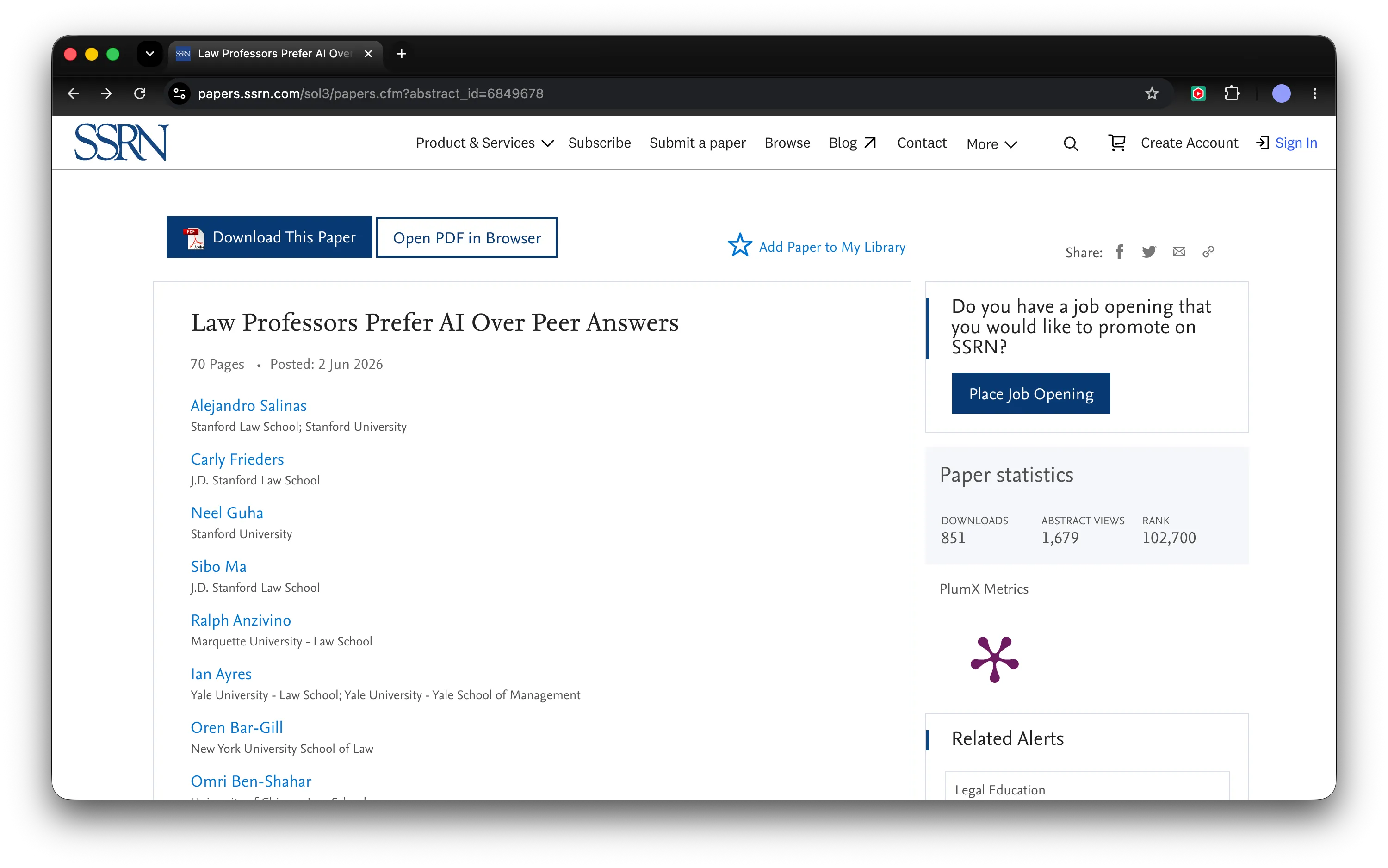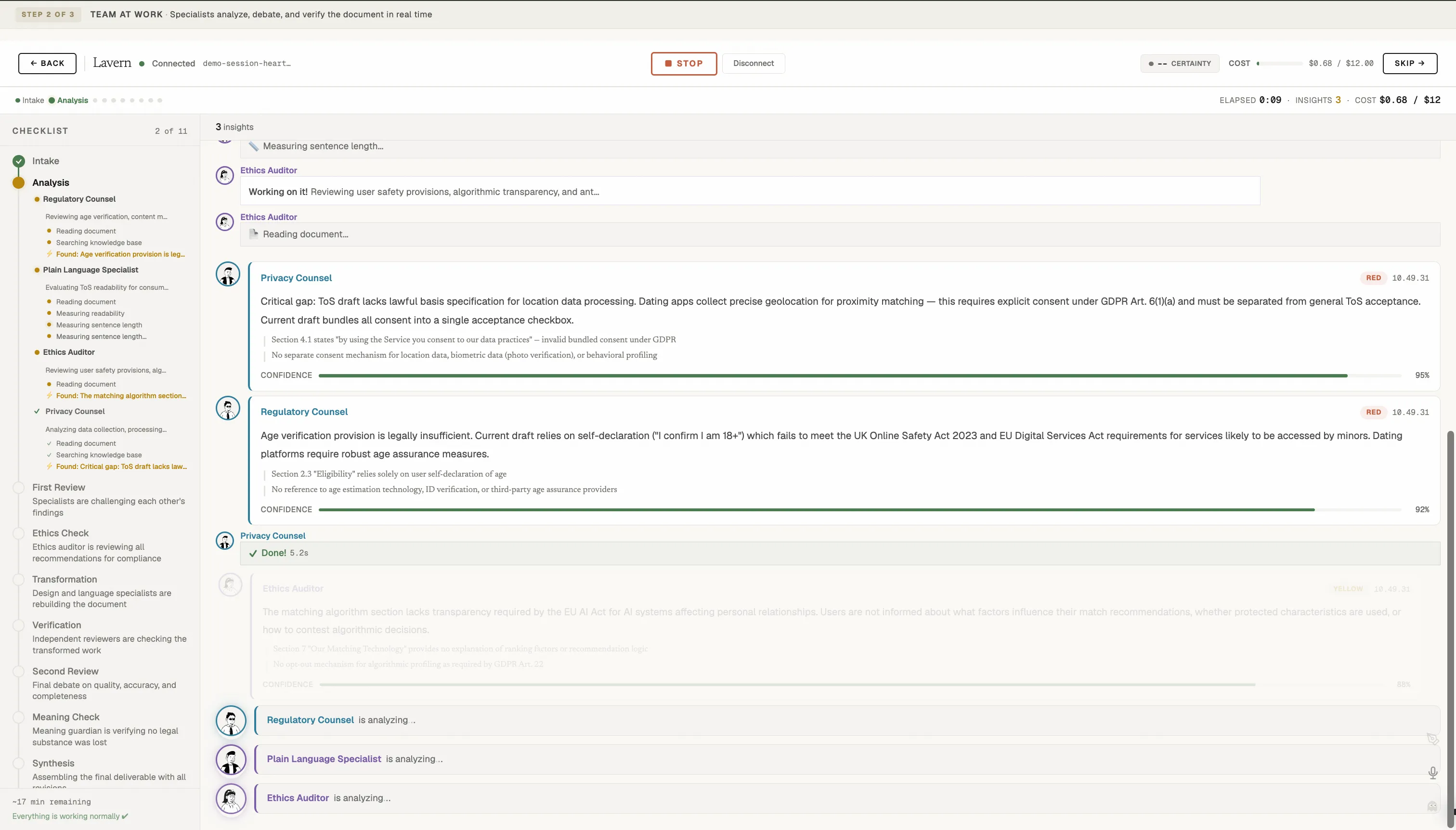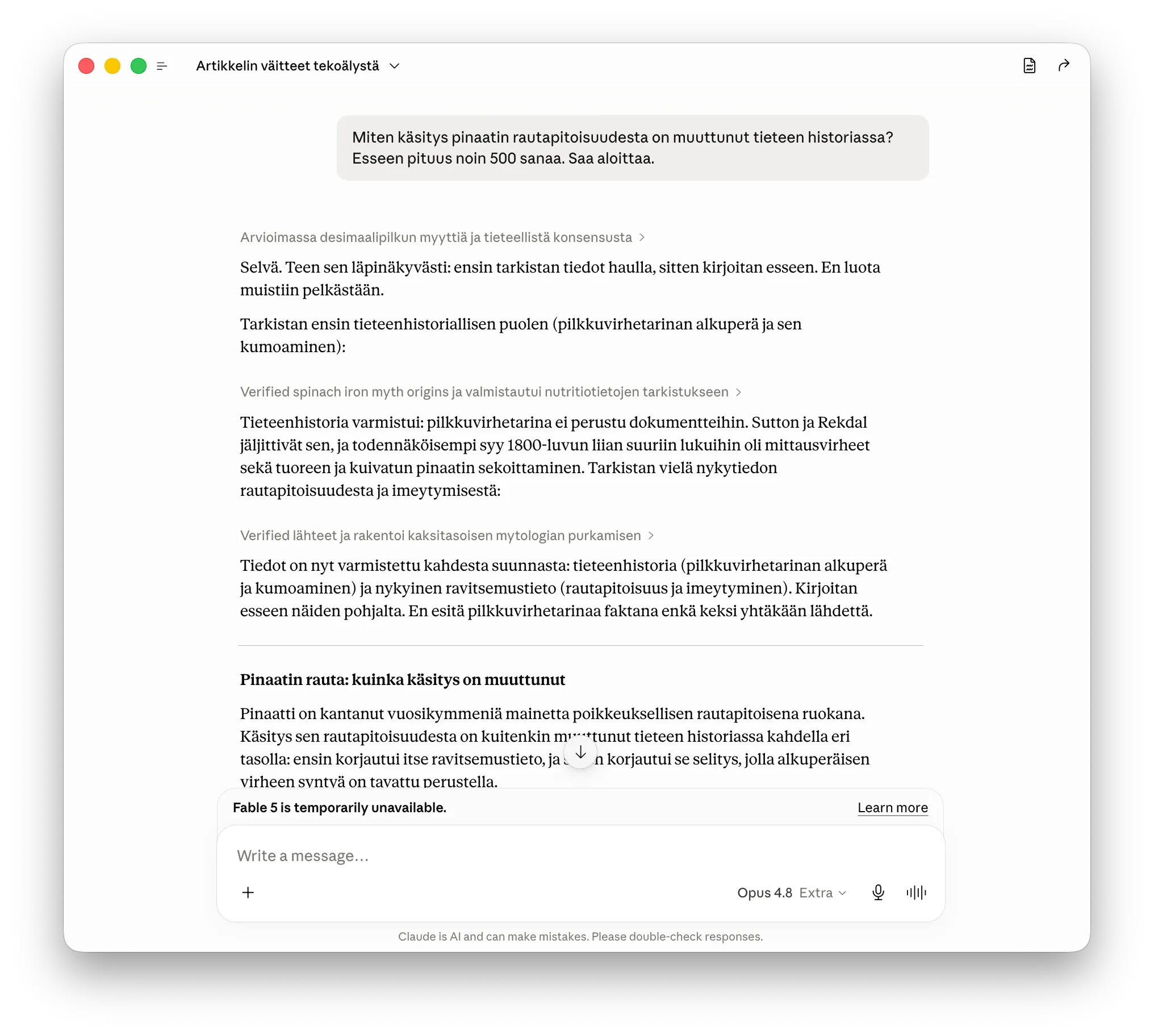
On 14 June 2026 Helsingin Sanomat published an article titled “A reporter’s spinach test proved how AI trashes science.” In the test, the AI failed the assignment radically. The student used the tools provided by the University of Helsinki — CurreChat and Microsoft Copilot. The Tekoälyfoorumi editorial team repeated the test with the market’s leading AI model, Claude Opus 4.8.
Written by: Aku Nikkola and Claude Opus 4.8
Spinach and iron: how the understanding has changed
Spinach has for decades carried a reputation as an exceptionally iron-rich food. Yet the understanding of its iron content has shifted in the history of science on two separate levels: first the nutritional fact itself was corrected, and then the explanation commonly used to account for the original error was corrected too.
According to current knowledge, spinach is an ordinary leafy vegetable as far as iron goes. Raw spinach contains about 2.7 mg of iron per 100 grams, roughly the same as kale, for example. The more important point is absorption. The iron in spinach is non-heme iron, which the body uses far less efficiently than the heme iron in meat. In addition, spinach’s high oxalic acid content binds iron in the gut, so the share actually absorbed often comes to only a few percent. Spinach is healthy for many other reasons, but it is not a particularly effective source of iron.
So where did the exaggerated reputation come from? As early as the 1870s the German chemist E. von Wolff published high iron figures for spinach, which were then repeated from textbook to textbook. According to current research the figures were too high, probably because of measurement errors and a mix-up between fresh and dried spinach: the content of dried spinach is naturally many times that of fresh (Sutton 2010).
There is a well-known side plot to this that is still repeated as fact. According to it, spinach’s reputation rests on a decimal-point error: German researchers supposedly shifted a decimal point in the 1930s and multiplied the iron figure tenfold. The story, however, is not supported by any original source. The nutrition researcher Arnold Bender floated the idea as a tentative guess in his inaugural lecture in 1972 (Bender 1972). The hematologist Terence Hamblin repeated it as established fact in a 1981 column in the British Medical Journal, without giving a source (Hamblin 1981). Hamblin later admitted to having spread the myth, and the criminologist Mike Sutton, who traced the matter, found no documented evidence for any decimal-point error (Sutton 2010; Rekdal 2014).
What is most interesting from the standpoint of the history of science is how this second myth spread. The Norwegian researcher Ole Bjørn Rekdal showed that the claim travelled from one study to another as a chain of mutually referencing sources: researchers cited Hamblin and later each other’s citations, until the claim finally appeared with no source at all, as if it were common knowledge (Rekdal 2014). One link in the chain was Larsson’s article, ironically titled The dissemination of false data through inadequate citation (Larsson 1995).
The understanding of spinach’s iron content has thus been corrected twice. The first correction was nutritional: spinach is not an iron bomb, and only a small part of its iron is absorbed. The second correction concerned the explanation itself: the popular tale of a decimal-point error has turned out to be baseless, and the real reasons for the exaggerated figures were more mundane problems of measurement and interpretation.
The case is a reminder that scientific knowledge is never finished. Both the erroneous nutritional fact and the story invented to explain it survived for decades for the same reason: a compelling claim was repeated without checking the original source. Knowledge does get corrected in the end, but slowly, and only through careful detective work.
Sources
Bender, A. E. (1972). The Wider Knowledge of Nutrition. Inaugural lecture, Queen Elizabeth College, University of London.
Hamblin, T. (1981). Fake! British Medical Journal, 283(6307), 1671–1674.
Larsson, K. (1995). The dissemination of false data through inadequate citation. Journal of Internal Medicine, 238(5), 448–449.
Sutton, M. (2010). Spinach, Iron and Popeye. Internet Journal of Criminology.
Rekdal, O. B. (2014). Academic urban legends. Social Studies of Science, 44(4), 638–654.